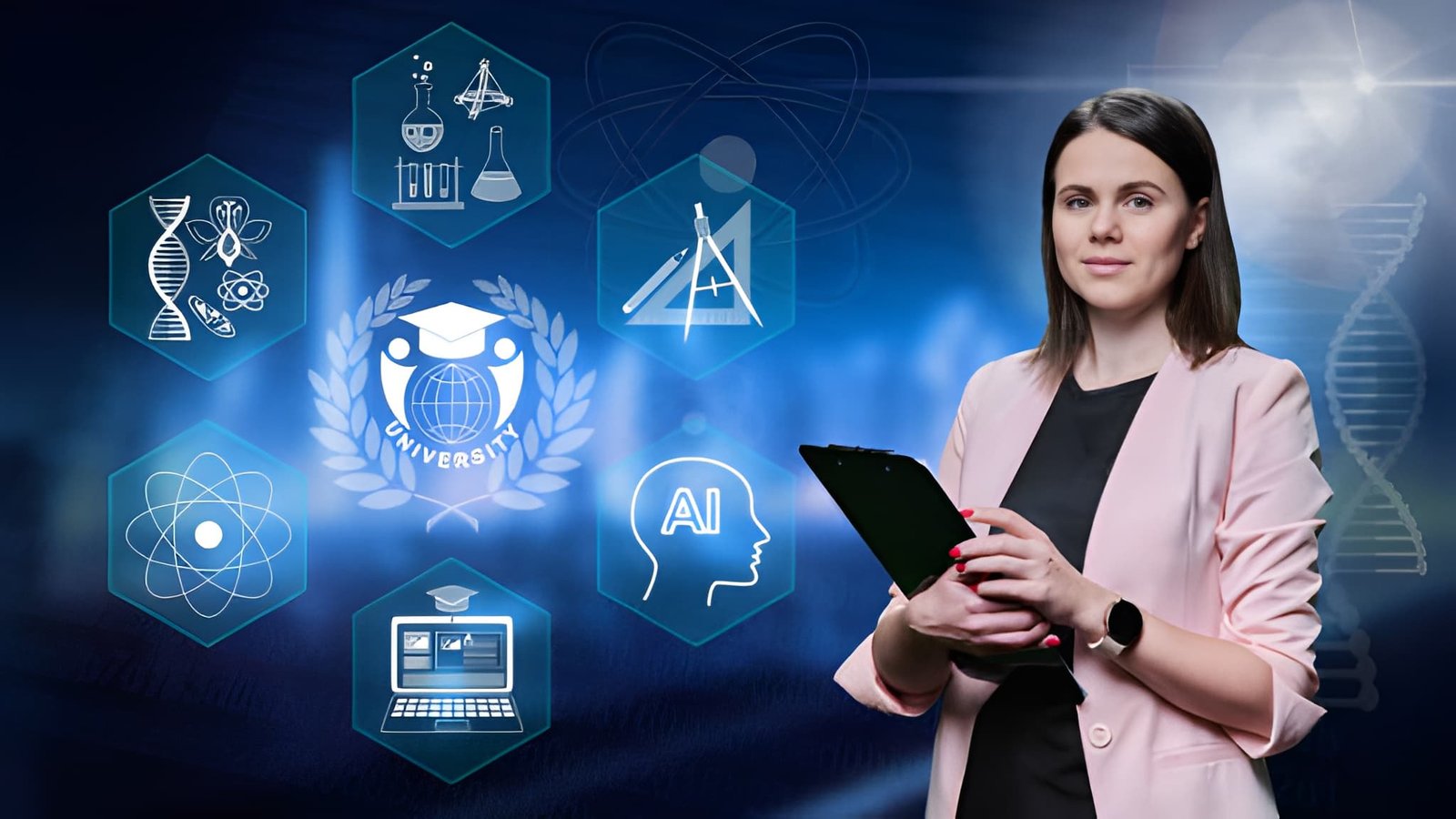
Artificial intelligence (AI) is changing education in remarkable ways. Schools are introducing AI-powered tools that personalize learning, improve classroom engagement, and support teachers. As these technologies become more common, students need the skills to succeed in an AI-driven world. Educational leaders such as Chris Bressi believe that technology should enhance learning while keeping students at the center of every educational experience. By combining innovation with strong teaching practices, schools can help students achieve long-term academic and personal success. The Growing Role of AI in Education Artificial intelligence is no longer limited to the technology industry. Today, students interact with AI through educational platforms, virtual tutors, writing assistants, and adaptive learning systems. These tools analyze learning patterns and provide customized recommendations based on each student’s progress. Instead of offering the same lesson to every learner, AI can adjust content to match individual needs. Christopher Bressi believes that this personalized approach creates opportunities for students to learn more effectively while building confidence in their abilities. As AI continues to evolve, schools have an opportunity to create learning environments that are both innovative and inclusive. Personalized Learning Improves Student Success Every student learns differently. Some understand new concepts quickly, while others benefit from additional practice and guidance. Traditional classrooms often follow a fixed learning pace. However, AI-powered learning platforms can adapt lessons to meet each student’s needs. For example, if a student struggles with mathematics, the system may recommend extra exercises or video explanations. Students who master concepts more quickly can move to advanced lessons without waiting for the rest of the class. This personalized learning experience allows students to progress at their own pace. As a result, many learners become more confident and motivated to succeed. AI Encourages Active Learning Student engagement plays an important role in academic success. Many AI-powered education platforms include interactive quizzes, educational games, videos, and simulations that make learning more enjoyable. Instead of simply memorizing information, students actively participate in lessons and receive immediate feedback. Chris Bressi supports learning environments that encourage curiosity and participation because engaged students are more likely to retain knowledge and develop stronger problem-solving skills. Interactive learning also helps students become more independent and confident in their abilities. Instant Feedback Supports Continuous Improvement One of the greatest advantages of AI is its ability to provide immediate feedback. Students no longer need to wait several days for graded assignments. Instead, AI-powered platforms instantly identify mistakes and explain correct answers. This immediate response helps students: When students receive timely feedback, they can continue learning without unnecessary delays. Teachers Benefit From AI Technology Artificial intelligence is not designed to replace teachers. Instead, it serves as a valuable classroom partner. Teachers spend significant time preparing lessons, grading assignments, and tracking student progress. AI tools can automate many routine tasks, allowing educators to focus on meaningful instruction and student support. Christopher Bressi believes technology should reduce administrative burdens while giving teachers more opportunities to build relationships with students. When educators have more time for individual instruction, students often experience stronger academic growth. Developing Critical Thinking Skills Although AI can provide answers quickly, students must continue developing critical thinking skills. Schools should encourage learners to question information rather than accept every response without evaluation. Students should ask questions such as: Critical thinking remains one of the most valuable human skills. Chris Bressi encourages educational practices that combine technology with thoughtful analysis and independent learning. Preparing Students for Future Careers Artificial intelligence is changing workplaces across nearly every industry. Healthcare, engineering, finance, education, manufacturing, and business all use AI-powered technologies. Students who understand how AI works and how to use it responsibly will be better prepared for future careers. Schools can help students develop valuable skills such as: These abilities will remain essential even as technology continues to advance. Teaching Responsible AI Use Using AI responsibly is just as important as learning how it works. Students should understand that AI is a learning tool, not a replacement for original thinking. Schools should teach learners to: Christopher Bressi believes responsible technology use helps students become trustworthy digital citizens while preparing them for future leadership opportunities. The Importance of School and Family Partnerships Parents also play a key role in supporting student success. Schools should encourage families to understand AI-powered learning tools and participate in their children’s education. Parents can help by: Strong partnerships between schools and families create better educational outcomes and encourage lifelong learning. Looking Toward the Future Artificial intelligence will continue transforming education over the coming years. Future classrooms may include even more personalized learning experiences, intelligent tutoring systems, and interactive educational technologies. However, successful education will always depend on strong relationships between students, teachers, parents, and communities. Technology should enhance these relationships rather than replace them. By balancing innovation with human connection, schools can prepare students for lasting success.n Student success in the era of artificial intelligence depends on more than access to advanced technology. It requires personalized learning, responsible AI use, critical thinking, and meaningful support from educators and families. Chris Bressi and Christopher Bressi continue to highlight the importance of creating student-centered learning environments that embrace innovation while preserving the values that make education meaningful. As schools continue integrating artificial intelligence into classrooms, students will gain the knowledge, confidence, and digital skills needed to succeed in higher education, future careers, and an increasingly technology-driven world.
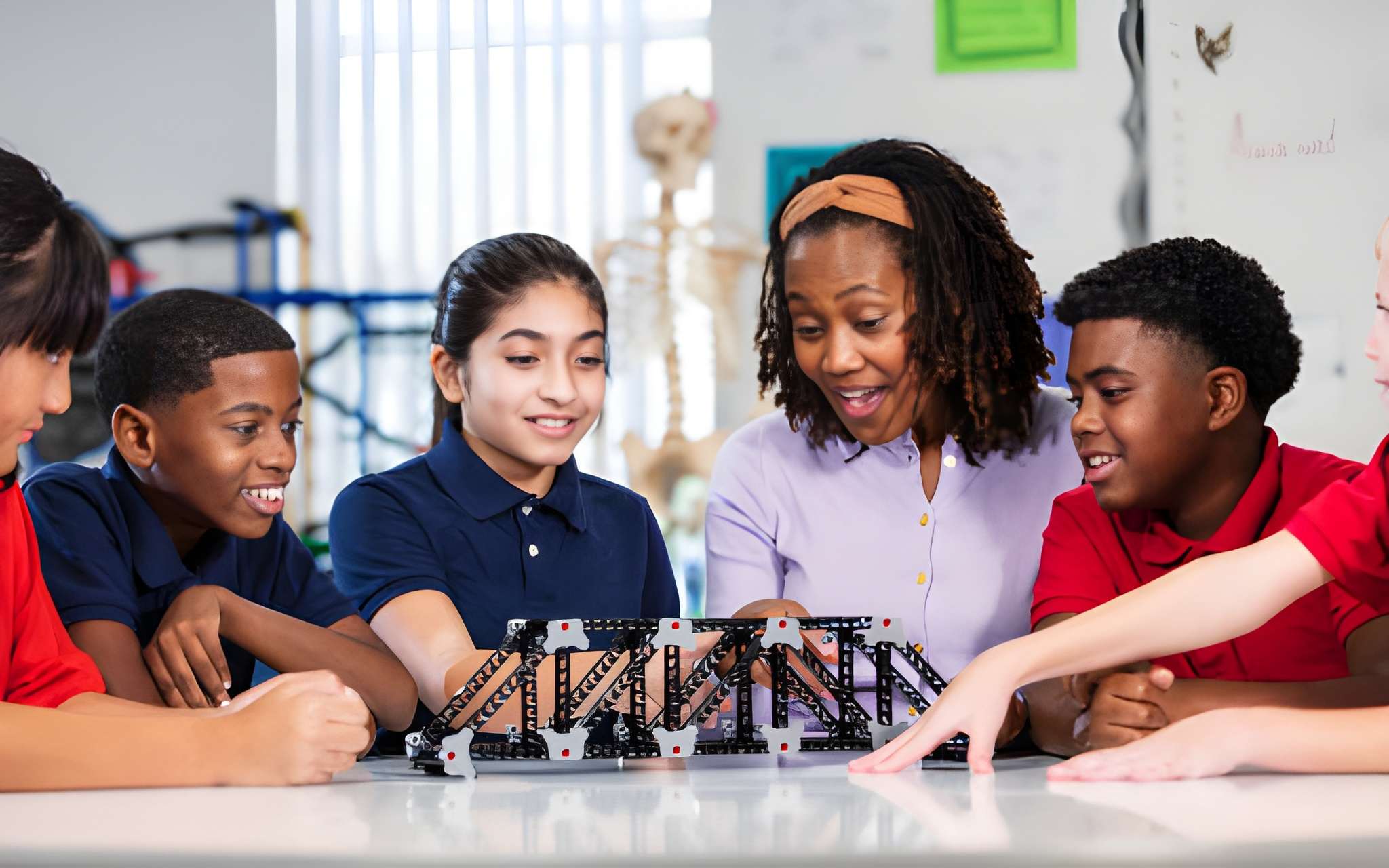
How AI Improves Accessibility for Students With Different Needs
Education should be accessible to every student, regardless of their abilities or learning style. However, traditional classrooms may not always meet the needs of every learner. Some students require additional support because of physical disabilities, learning differences, language barriers, or other challenges. Artificial intelligence (AI) is helping change this reality. AI-powered educational tools are making learning more inclusive by providing personalized support, improving communication, and removing barriers that once limited student success. As schools continue to adopt educational technology, AI is becoming an important tool for creating equal learning opportunities for all students. What Is AI Accessibility in Education? Accessibility means making education available to everyone. AI improves accessibility by adapting learning experiences to meet each student’s individual needs. Instead of expecting every student to learn in the same way, AI-powered platforms provide customized support that helps learners succeed. These technologies can adjust lessons, convert text into speech, translate languages, and provide alternative learning formats. As a result, students receive learning experiences that are more comfortable, engaging, and effective. Personalized Learning for Every Student Every student learns differently. Some students understand concepts quickly, while others need additional explanations or practice. Students with learning disabilities may require specialized support that traditional classrooms cannot always provide. AI-powered learning platforms analyze student performance and adapt lessons based on individual progress. For example, if a student struggles with reading comprehension, the platform can recommend easier reading materials or provide extra practice activities. Students who learn more quickly can move ahead without waiting for others. This personalized approach helps every learner grow with confidence. Supporting Students With Learning Disabilities Students with learning disabilities often benefit from additional educational support. AI-powered tools can assist students with conditions such as: Many AI applications provide text-to-speech features, reading assistance, writing support, and guided learning activities. These tools reduce frustration and help students focus on understanding concepts instead of struggling with barriers. When students receive the support they need, they become more engaged and motivated. Breaking Language Barriers Schools are becoming increasingly diverse. Many students speak different languages at home or are learning in a second language. AI-powered translation tools make communication easier by translating educational materials into multiple languages. Real-time language translation allows students to better understand classroom lessons while helping teachers communicate more effectively with multilingual learners. This support creates a more inclusive classroom where every student has an opportunity to participate. Helping Students With Visual and Hearing Impairments Artificial intelligence has significantly improved accessibility for students with visual or hearing impairments. Examples include: Text-to-Speech Technology AI can read digital textbooks, assignments, and web content aloud. Students with visual impairments or reading difficulties can access information more independently. Speech-to-Text Technology AI converts spoken words into written text. This technology benefits students who have hearing impairments or those who prefer reading instead of listening. Automatic Captioning Many AI-powered learning platforms automatically generate captions for educational videos. Captions improve understanding and make multimedia content accessible to more students. These tools help ensure that learning materials are available to everyone. Increasing Student Confidence Accessibility is about more than completing assignments. Students gain confidence when they can participate fully in classroom activities. AI provides immediate feedback, personalized guidance, and adaptive learning experiences that reduce frustration. Instead of feeling left behind, students experience steady progress. This positive learning environment encourages greater participation and stronger academic performance. Confidence often leads to higher motivation and improved educational outcomes. Supporting Teachers AI does not replace teachers. Instead, it helps educators better support students with different learning needs. Teachers can use AI-powered platforms to: These insights allow teachers to spend more time helping students instead of completing administrative tasks. The result is a more supportive and effective classroom. Helping Parents Stay Involved Parents are important partners in student success. Many AI-powered educational platforms provide progress reports that help families understand how their children are learning. Parents can monitor: This information helps parents provide additional support at home and communicate more effectively with teachers. Strong school-family partnerships improve educational outcomes for students with diverse learning needs. Challenges to Consider Although AI improves accessibility, schools should use these technologies responsibly. Important considerations include: AI should support education rather than replace teachers or personal relationships. The best learning environments combine technology with compassionate instruction and meaningful classroom experiences. The Future of Inclusive Education Artificial intelligence continues to evolve. Future educational technologies may provide even more personalized learning experiences, advanced accessibility features, and intelligent classroom support. As innovation continues, schools have an opportunity to create learning environments where every student feels included, supported, and capable of success. By embracing accessible technology, educators can remove barriers that once limited educational opportunities. Conclusion Artificial intelligence is transforming accessibility in education by making learning more personalized, flexible, and inclusive. From supporting students with learning disabilities to breaking language barriers and improving communication, AI helps create equal opportunities for learners with different needs. When combined with skilled teachers, supportive families, and inclusive educational practices, AI becomes a powerful tool for student success. As schools continue adopting innovative technologies, accessibility should remain a priority so that every student has the opportunity to learn, grow, and reach their full potential.

Chris Bressi on Developing Effective Learning Strategies
Successful learning does not happen by chance. It begins with thoughtful planning, clear goals, and teaching methods that help learners stay engaged. As education continues to evolve, schools and organizations need learning strategies that support different learning styles, encourage critical thinking, and prepare people for long-term success. Chris Bressi believes that effective learning strategies combine innovation with practical teaching methods. Instead of focusing only on delivering information, educators should create learning experiences that inspire curiosity, build confidence, and encourage continuous improvement. Through this approach, Christopher Bressi highlights how meaningful education can help learners reach their full potential. Why Learning Strategies Matter Every learner is different. Some people learn best through discussion, while others prefer visual content, hands-on activities, or independent study. Because of these differences, using a single teaching method for everyone is rarely effective. Well-designed learning strategies help educators present information in ways that improve understanding and knowledge retention. They also encourage learners to stay motivated and participate actively throughout the learning process. When students and employees understand concepts clearly, they are more likely to apply their knowledge successfully. Set Clear Learning Goals Every successful learning experience begins with a clear objective. Learners should understand what they are expected to achieve before instruction begins. Clear goals help educators organize lessons while allowing learners to measure their own progress. Chris Bressi encourages teachers and trainers to create specific, achievable learning objectives that connect directly to practical outcomes. When expectations are clear, learners remain focused and motivated. Encourage Active Participation People remember information more effectively when they participate actively. Instead of relying only on lectures, educators can encourage learners to solve problems, ask questions, and work together. Examples of active learning include: Christopher Bressi believes active participation helps learners build confidence while strengthening communication and collaboration skills. Support Different Learning Styles Every learner processes information differently. Some students understand concepts through reading, while others benefit from videos, visual diagrams, discussions, or hands-on experiences. Effective learning strategies offer multiple ways to explore the same topic. Teachers and trainers can improve learning by providing: Offering different learning methods helps create a more inclusive learning environment. Use Technology With Purpose Technology has transformed education and professional training. Digital learning platforms, online collaboration tools, and artificial intelligence can make learning more engaging and accessible. However, technology should always support educational goals rather than distract from them. Chris Bressi believes technology is most valuable when it enhances communication, personalizes learning, and provides opportunities for continuous improvement. Used thoughtfully, digital tools can strengthen both classroom instruction and workplace training. Promote Critical Thinking Memorizing information is no longer enough. Today’s learners must understand how to analyze information, solve problems, and make informed decisions. Educators should encourage learners to ask questions such as: Critical thinking helps learners become independent problem-solvers who are prepared for future challenges. Provide Timely Feedback Feedback is essential for continuous improvement. Learners perform better when they receive regular guidance instead of waiting until the end of a course. Constructive feedback helps individuals: Christopher Bressi supports learning environments where feedback becomes an ongoing conversation rather than a one-time evaluation. This approach encourages steady progress and greater engagement. Encourage Collaboration Learning becomes more meaningful when people share ideas and solve problems together. Collaborative activities help learners develop communication, leadership, and teamwork skills. Examples include: Working with others also exposes learners to different viewpoints and encourages creative thinking. These experiences prepare students and professionals for collaborative workplaces. Build a Culture of Continuous Learning Education should continue beyond a single lesson or training session. Organizations and schools benefit when learning becomes an ongoing process. Continuous learning may include: Chris Bressi believes continuous learning helps individuals remain adaptable while supporting long-term personal and professional growth. A culture of learning also encourages innovation throughout an organization. Measure Learning Success Effective learning strategies should produce measurable results. Educators can evaluate success through: These measurements help identify strengths and areas for improvement. Regular evaluation also allows educators to adjust teaching methods based on learner needs. Preparing Learners for the Future Technology, artificial intelligence, and changing industries continue to reshape education and employment. Future-ready learners need more than subject knowledge. They also need: Christopher Bressi believes these transferable skills help learners succeed regardless of future career paths. Schools and organizations that invest in these abilities prepare people for lifelong success. Conclusion Developing effective learning strategies requires thoughtful planning, meaningful engagement, and a commitment to continuous improvement. Chris Bressi and Christopher Bressi emphasize that successful education goes beyond delivering information. It creates learning experiences that encourage curiosity, collaboration, critical thinking, and personal growth. By combining clear objectives, active participation, personalized instruction, and purposeful technology, educators and organizations can build learning environments where every learner has the opportunity to succeed. As education continues to evolve, effective learning strategies will remain the foundation for preparing students and professionals for an ever-changing world.
How Chris Bressi Helps Schools Improve Learning Outcomes
Schools today face new opportunities and challenges. Technology is changing the way students learn, while educators continue looking for effective ways to improve academic performance and classroom engagement. Success depends on more than adopting new tools. It requires thoughtful planning, strong leadership, and teaching strategies that keep students at the center of learning. Chris Bressi believes that improving learning outcomes starts with creating meaningful educational experiences. By combining innovative teaching methods with practical technology, schools can help students build knowledge, confidence, and skills for the future. Christopher Bressi also emphasizes the importance of supporting teachers and encouraging continuous improvement across every learning environment. Focusing on Student-Centered Learning Every student learns differently. Some students understand concepts quickly, while others need additional guidance and practice. A student-centered approach recognizes these differences and gives learners the support they need to succeed. Chris Bressi encourages schools to provide flexible learning opportunities that adapt to different learning styles. Teachers can offer interactive activities, group discussions, and hands-on projects that help students stay engaged throughout each lesson. When students actively participate in learning, they are more likely to retain information and achieve stronger academic results. Supporting Teachers for Better Results Teachers have one of the greatest influences on student success. Schools that invest in professional development help educators improve their teaching skills and stay informed about new educational practices. Training programs, peer collaboration, and ongoing learning opportunities allow teachers to share ideas and improve classroom instruction. Christopher Bressi believes that well-supported teachers create stronger classrooms because they feel confident using modern teaching strategies and educational technology. When educators continue learning, students also benefit. Using Technology With Purpose Technology has become an important part of modern education. Interactive learning platforms, online collaboration tools, and artificial intelligence can make lessons more engaging and personalized. However, technology should always support educational goals rather than replace effective teaching. Chris Bressi believes digital tools should help students explore ideas, practice new skills, and receive timely feedback while allowing teachers to focus on meaningful instruction. Purposeful technology integration improves both teaching and learning. Encouraging Personalized Learning Every learner has unique strengths and challenges. Personalized learning helps teachers meet students where they are instead of expecting everyone to learn at the same pace. Adaptive learning platforms can recommend activities based on student progress, while teachers provide guidance and encouragement throughout the learning process. Christopher Bressi supports educational strategies that recognize individual learning needs and create opportunities for every student to reach their full potential. Personalized learning increases confidence and motivation. Building Critical Thinking Skills Success in today’s world requires more than memorizing information. Students must learn how to evaluate evidence, solve problems, and think independently. Teachers can encourage critical thinking through: Chris Bressi believes these experiences prepare students for higher education, future careers, and responsible decision-making. Critical thinking remains one of the most valuable skills students can develop. Creating Inclusive Learning Environments Every student deserves an opportunity to succeed. Inclusive classrooms welcome learners with different backgrounds, abilities, and learning styles. Schools can improve learning outcomes by providing accessible resources, encouraging participation, and creating respectful classroom environments. Christopher Bressi believes inclusion strengthens learning because students benefit from diverse perspectives and collaborative experiences. A welcoming classroom encourages confidence and engagement. Strengthening School and Family Partnerships Parents play an important role in student achievement. Regular communication between schools and families creates consistent support for learning both inside and outside the classroom. Schools can strengthen partnerships by: Chris Bressi believes collaboration between teachers and families creates a stronger foundation for academic success. Students perform better when everyone works toward shared educational goals. Measuring Progress and Making Improvements Continuous improvement requires ongoing evaluation. Schools should monitor student progress using classroom assessments, projects, observations, and feedback. Instead of relying only on test scores, educators can gather information from multiple sources to better understand student learning. This data helps teachers adjust instruction, identify learning gaps, and provide additional support when necessary. Regular evaluation allows schools to improve educational quality over time. Preparing Students for the Future Education should prepare students for life beyond graduation. Modern learners need skills that support success in higher education, future careers, and everyday life. Schools should encourage: Christopher Bressi believes these lifelong skills help students remain confident as technology and workplaces continue to evolve. Preparing students for change is an essential part of meaningful education. Improving learning outcomes requires more than new technology or updated lesson plans. It depends on creating learning environments where students feel supported, teachers continue growing, and families remain actively involved. Chris Bressi and Christopher Bressi believe schools achieve the best results by combining student-centered instruction, personalized learning, purposeful technology, and continuous improvement. As education continues to evolve, schools that embrace innovation while keeping students at the heart of every decision will be better prepared to help every learner succeed academically and personally.
